

Internet

Top 5 Benefits of Fiber Optic Internet

image of family using devices discussing the four benefits of fiber internet.

Say goodbye to internet you can’t rely on, and hello to fiber internet! Using fiber-optic cables to deliver data quickly and efficiently, fiber internet offers faster speeds, more reliable performance, and a better overall online experience than older connection types.

All West fiber internet is built to keep up. Learn more about the top reasons your household can benefit from making the switch.

Fiber internet is a type of broadband connection that uses fiber-optic cables to transmit data as light signals. Because it uses light instead of electricity over copper lines, fiber can deliver faster speeds, lower lag, and more reliable performance than many older internet technologies. 

That makes it a strong choice for households that depend on a consistent connection for streaming, gaming, video calls, smart devices, and everyday online use.

Top 5 Benefits of Fiber Internet for Your Home

Now that you know what fiber internet is, let’s take a closer look at what that means for your household. Below are five key reasons fiber stands out as a strong option for modern home internet use.

1. Faster Upload and Download Speeds

One of the biggest benefits of fiber internet is speed. Fiber is designed to deliver fast performance for everything from browsing and streaming to video calls and large file transfers. That means less waiting, faster downloads, and a smoother experience across your everyday online activities. Fiber is also widely associated with symmetrical speeds, which means upload speeds can be just as fast as download speeds on many plans. That is especially helpful for video meetings, cloud backups, online classes, and sharing large files.

With All West fiber internet, your household can enjoy the speed needed to stay productive and entertained without the slowdowns that often come with older connections.

2. More Reliable Internet Performance

Another major advantage of fiber internet is reliability. A fast connection does not mean much if it constantly slows down, buffers, or cuts out when you need it most. Fiber is known for delivering more consistent performance, even during busy usage times, which makes it a strong choice for households that depend on internet access throughout the day.

Whether you are working from home, helping kids with homework, watching your favorite shows, or handling everyday tasks online, a more dependable connection helps everything run more smoothly. That consistency is one of the biggest benefits of switching to fiber internet.

3. Smoother Streaming Across Your Home

Streaming is one of the easiest ways to notice the difference fiber can make. With faster speeds and more consistent performance, your household can enjoy shows, movies, and live content with fewer interruptions. Whether you are watching on one screen or several at the same time, fiber helps create a smoother viewing experience.

With All West fiber internet, streaming feels more seamless and dependable, even during busy hours at home.

4. More Responsive Online Gaming

Online gaming depends on a connection that can keep up in real time. Fiber internet supports a better gaming experience with fast speeds and lower latency, helping reduce lag and improve responsiveness during gameplay. That can make a noticeable difference whether you are playing casually with friends or jumping into more competitive matches.

With the right setup and equipment, All West fiber internet helps support smoother, more reliable gaming at home.

5. More Bandwidth for More Devices

Today’s households do not just connect one or two devices at a time. Phones, laptops, tablets, smart TVs, gaming consoles, and smart home devices all compete for bandwidth. One of the top benefits of fiber optic internet is that it can better support multiple connected devices without your network feeling overloaded. High bandwidth is a common reason fiber performs well in busy homes.

That means one person can stream a movie while someone else joins a video meeting, another plays online games, and several smart devices stay connected in the background. Fiber helps your household stay connected without constantly fighting over speed.

Why Should You Switch to All West Fiber Internet?

Choosing fiber is about more than getting faster internet. It is about upgrading to a connection that better fits the way modern households live. With All West fiber internet, you can enjoy fast speeds, dependable performance, and unlimited data with no data caps, so your family can stream, game, work, and browse with more confidence.

Frequently Asked Questions

Is fiber internet better than WiFi?

Fiber and WiFi are different. Fiber is the internet connection to your home, while WiFi connects your devices wirelessly. Fiber can help improve your overall WiFi experience.

Is switching to fiber internet worth it?

Yes, for many households. Fiber offers faster speeds, more reliable performance, and better support for streaming, gaming, and multiple devices.

Why should I get fiber internet?

You should consider fiber internet if your household needs a faster, more dependable connection. Fiber is a strong option for homes that stream often, use video calls, play online games, or have several devices connected throughout the day.


Blog

These Common Issues Might Be Slowing Down Your Internet

how to speed up your internet

Why Is Your Internet So Slow?

Does your internet feel slower than normal? Has it become frustrating to deal with an unstable connection? Fast, uninterrupted speeds are more important than ever with working from home, virtual school, streaming and so much more. As your demand for lightning-fast internet grows, check out some of the most common issues that can affect your connection. 

Issue 1: Not Enough Internet Speed

If your internet speeds are constantly slowed down, you might not have the right plan for your household. Think of your internet as a water pipe. You might have had enough water moving through the pipeline previously. However, if you are using the internet more, it’s like turning on more faucets, and you may see less water pressure than usual. If that is the case, then it’s time to upgrade your internet plan.

Symptoms of Needing More Speed:

📺 Frequent buffering while streaming your favorite shows or movies

🎮 Lag or delays during online gaming sessions

💻 Choppy or frozen video during Zoom or Teams meetings

📱 Slow loading times on websites or apps across multiple devices

🏠 Smart home devices disconnecting or responding slowly

👨‍👩‍👧‍👦 Multiple users struggling to stay connected at the same time

📶 Dead zones or weak Wi-Fi signals in parts of your home

Unlike other internet service providers, All West’s internet plans include unlimited data without any data caps, so you won’t have to worry about data use causing outages or slow internet speeds.

What Internet Speed is Right for You?

Issue 2: Poor Router Placement or Outdated Hardware

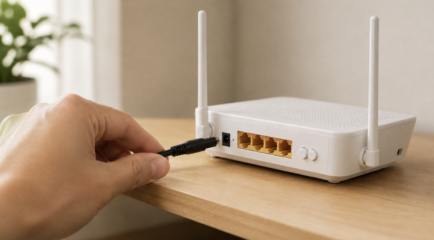
Have you ever heard your router referred to as “the heart of your internet connection?” Your router plays a big part when it comes to your connection’s strength, speed, and reliability. It is what sends wi-fi signals throughout your home. That’s why it’s important to choose a router that fits your needs.

Router Placement Tips

But it’s not just your router choice that matters - the location matters too. Walls, TVs, furniture, and other objects can block the wireless signal from your router. To improve your connection, move your router to a more central location in your home. Doing this will help spread your wi-fi signal throughout your whole home, which can improve your connection.

Issue 3: Too Many Devices Competing for Bandwidth

The number of devices you have connected to your network might surprise you. From smart home devices to laptops and gaming systems, there might be more than you think. The more devices connected to your wi-fi network, the more your bandwidth is split among them. This is what causes slow speeds if you don’t have enough bandwidth for all the internet usage going on at a time.

If too many devices are connected to the same network, it becomes overcrowded, and your devices compete against each other to connect to your router’s antenna. This results in buffering, slow speeds and latency. We suggest only keeping the most important devices connected or upgrading your speed to one that can handle them all.

Final Thoughts: How to Speed Up Your Internet Connection

Having a slow internet connection is annoying, and unfortunately, it can happen to any network at any time. When you have enough speed, a good router and keep an eye on the number of connected devices, you will be able to get the most out of your internet connection.

Struggling with slow internet? Here are a few tips you can try:

1. Restart your router regularly to refresh your connection.

2. Upgrade your router if it's more than a few years old.

3. Reduce connected devices or set bandwidth limits to prioritize important traffic.

4. Switch to wired connections when possible for more stable speeds.

5. Contact your ISP to explore plan upgrades if you're still experiencing slow speeds.

6. Ready to explore better internet options? Visit allwest.com to learn more.

Blog

Multi-Gig Internet Explained

woman and granddaughter using laptop

“I feel the need, the need for speed.” The demand for faster internet is greater than ever before. As an internet service provider (ISP), we are here to provide you with the best services possible, which is why we offer multi-gig fiber internet plans to our customers*. In order to take advantage of multi-gig internet (5 Gig and 8 Gig), you will need to have compatible hardware to take advantage of the speeds.

What is Multi-Gig Internet?

Multi-gig internet refers to internet speeds faster than 1 gigabit per second (1Gbps). Common multi-gig speed tiers include 2Gbps, 5Gbps, and 8Gbps connections, depending on the provider and available infrastructure.

Many households and businesses upgrade to multi-gig internet to support growing bandwidth demands, including 4K and 8K streaming, online gaming, large file transfers, cloud backups, smart home devices, and multiple users connected at the same time. It’s also popular for future-proofing a network, ensuring the connection can handle newer technologies and increasing data usage for years to come.

Here is a list of things to consider:

Essential Hardware for Multi-Gig Wired Connections

  • The wired connection is the only way to get true 8 Gig speed

Choosing the Right Ethernet Cables (Cat 6a vs. Cat 7)

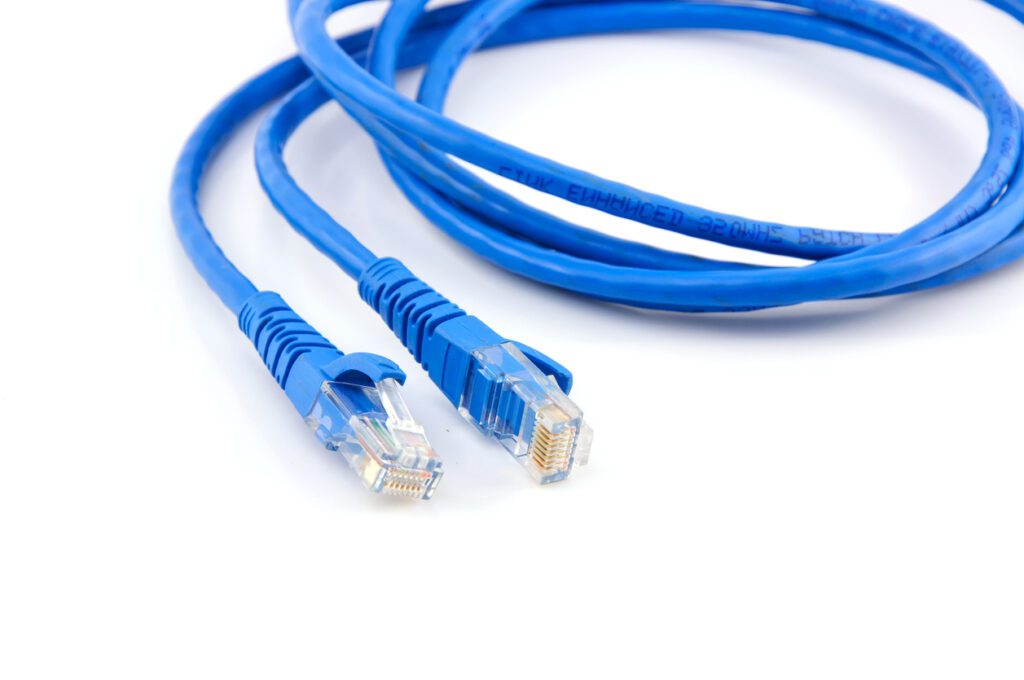
Not all Ethernet cables are equal. You'll need Cat 6a or Cat 7 Ethernet cables to ensure the signal integrity and speed over the wired connections. These cables are designed to handle Gigabit speeds and beyond. Don’t know what type of cable you have? Most cables will have their category written on the side.

Ethernet cable

Network Cards and Adapters (NICs & Thunderbolt)

Devices that connect wirelessly also need to have Wi-Fi adapters that can support the high-speed connection. Make sure your laptops, smartphones, tablets, and other wireless devices are equipped with modern Wi-Fi technology. Devices that support Wi-Fi 6 will let you use your multi-gig connection to the fullest potential.

The Importance of Multi-Gig Switches

If you plan to connect multiple devices through Ethernet, a Gigabit Ethernet switch will allow you to do so efficiently. A switch is a piece of hardware that connects multiple devices on a single network. Devices connect to the switch, which connects to the router so they can communicate with each other. This is particularly useful for devices like gaming consoles, smart TVs, and desktop computers.

Optimizing Your Wi-Fi for Multi-Gig Speeds

Routers and Gateways (Wi-Fi 6E & Wi-Fi 7)

The router is the equipment that takes the signal from your modem and distributes it to both wired devices and wireless (Wi-Fi) devices. A high-performance router is crucial to manage and distribute the high-speed internet connection to various devices in your home, so you’ll want one that supports Gigabit Ethernet ports and has the processing power to handle multi-gig speeds.

Device Compatibility (Phones/Laptops)

When hardwired into All West fiber internet, devices will need the following:

  • Device needs to be 10 gig capable
  • A 10 gig port in the motherboard

You can find out if your device is 10 gig capable by checking the manufacture specifications.

To accommodate for wireless devices, you'll need Wi-Fi access points that support high-speed 802.11ac or 802.11ax (Wi-Fi 6) standards. These will help ensure that your wireless devices can also take advantage of the high-speed internet.

Common Bottlenecks to Avoid:

Even with a fast internet plan, older hardware can prevent you from reaching multi-gig speeds. Common bottlenecks include:

  • Outdated network switches - Older switches may only support 1Gbps Ethernet, limiting speeds across your network.
  • Older Ethernet cabling - Cat 5e cables can sometimes handle multi-gig speeds over short distances, but Cat 6 or Cat 6a is more reliable for 2.5Gbps, 5Gbps, and higher connections.
  • Slow hard drives - Traditional HDDs may not read or write data fast enough to fully utilize multi-gig transfers, especially during large downloads or backups. SSDs and NVMe drives perform significantly better.
  • Older routers or network cards - Devices without multi-gig Ethernet ports or modern Wi-Fi standards can become a major speed limitation.
  • Weak Wi-Fi coverage - Congestion, interference, and poor router placement can reduce real-world wireless performance even if your internet plan is extremely fast.

Is Your Home Ready for the Future of Speed?

*Service availability and internet speed will depend on location. Multi-gig internet plans are not available in all areas.

Related Articles