



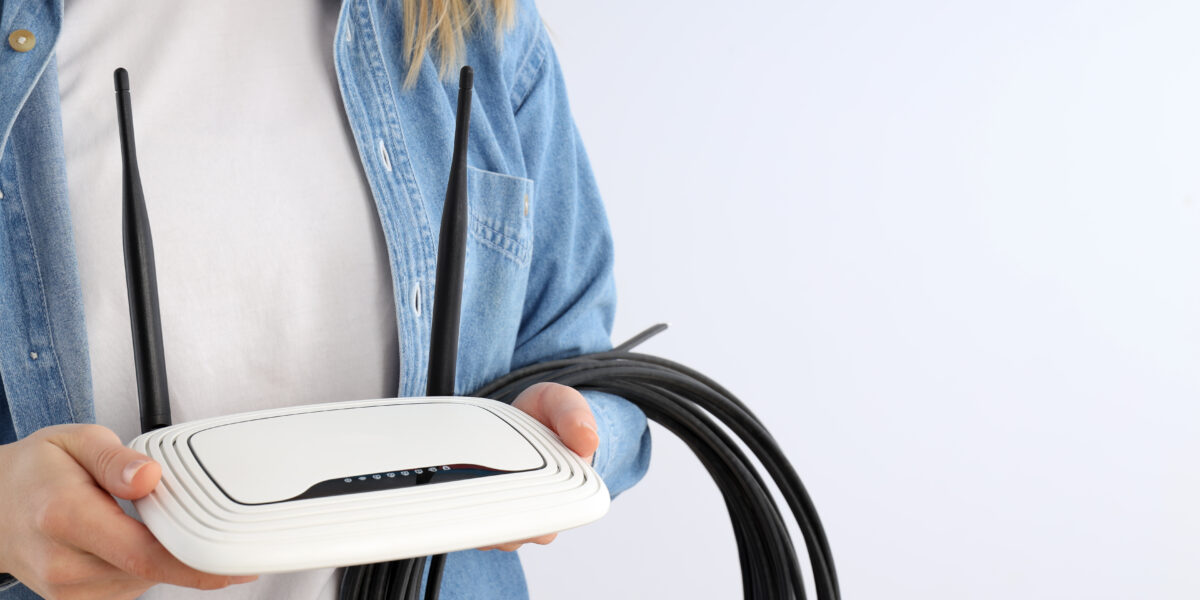
In today's hyper-connected world, Wi-Fi routers serve as the vital link between our devices and the internet. While they're essential for maintaining efficient connectivity, a common question arises: how long do Wi-Fi routers last? Understanding the lifespan of these devices can help you ensure optimal performance and know when it might be time to upgrade.
How Long Do Routers Last On Average?
Wi-Fi routers, like most technological devices, are not built to last indefinitely. On average, a Wi-Fi router can last between three to five years. However, several factors influence this lifespan. These include the quality of the router, the intensity of use, environmental conditions, and advances in Wi-Fi technology which may render older models obsolete. Understanding these factors can help maximize the router’s efficiency and longevity.
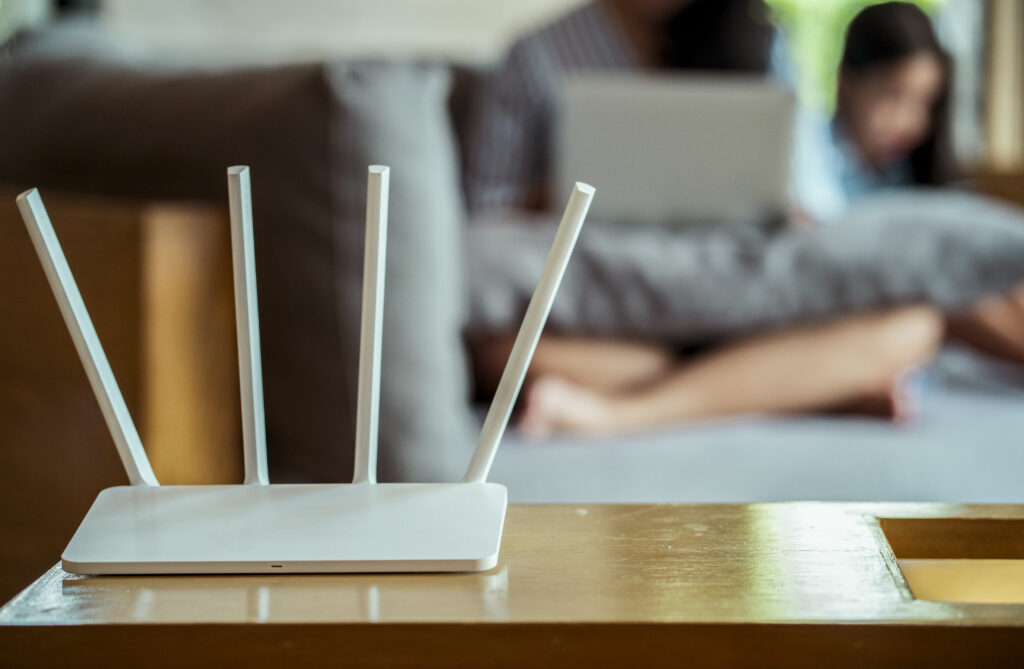
Key Factors that Affect Router Longevity
- Quality and Brand: A top-tier brand often offers a longer-lasting product. Manufacturers like ASUS, Netgear, and TP-Link produce routers known for durability and reliability. Investing in a reputable brand may initially cost more but pays off in longevity and performance.
- Usage Intensity: The number of devices connected and the load these devices place on a router can affect its longevity. High usage levels, such as streaming, gaming, and video conferencing, may wear out a router faster compared to moderate usage.
- Technological Obsolescence: With rapid advances in Wi-Fi standards—such as the transition from Wi-Fi 5 (802.11ac) to Wi-Fi 6 (802.11ax)—older routers may become obsolete more quickly. This technological leap can necessitate an upgrade to take advantage of new features and improved speeds.
- Environmental Conditions: Routers placed in locations prone to dust, heat, or physical disturbances may experience a shorter lifespan. Ensuring that the router has proper ventilation and is kept in a stable environment can prolong its usability.
Signs Your Router Is Failing (And What To Do)
Even a well-maintained router will eventually show signs of wear. The tricky part is that a failing router often manifests as a bad internet connection, so before you call your ISP, it's worth ruling out the hardware first. If you're seeing more than one of these at the same time, it's likely time to replace your router:
- Frequent disconnections across all your devices, especially if rebooting only fixes it temporarily
- Speeds well below your internet plan, even when you're close to the router
- Needing to reboot every few days just to keep a stable connection
- The router runs hot to the touch, even in a well-ventilated spot
- Newer devices won't connect properly while older ones are fine
- No firmware updates in two or more years, meaning the manufacturer has stopped supporting the model
How Often Should You Replace Your Router?
Most experts recommend replacing your router every 3 to 5 years. That doesn't mean your router will stop working at the 5-year mark (many will keep running longer) but performance, security, and compatibility tend to decline enough after that window that the cost of keeping an old router outweighs the cost of replacing it.
A few situations where you should replace sooner:
- Your ISP has upgraded your internet speed but real-world performance hasn't improved
- You've added significantly more devices to your home network
- Your router no longer receives firmware updates from the manufacturer
- You've upgraded to Wi-Fi 6 or 6E devices and want to get full performance from them
Note that if you're on a slower internet plan with a small number of devices, an older router may still be meeting your actual needs even past the 5-year mark. The real question isn't just age, but whether your router can still deliver what your plan and household require.
If you're unsure whether your current setup is keeping up, a good starting point is running a speed test over Wi-Fi and comparing it against your plan speed. A large gap is usually the clearest signal that something in the chain needs attention, including the router.
Credible Expert Recommendations
Experts in wireless networking suggest considering a router upgrade every three to five years to ensure users benefit from advancements in security, speed, and features. Although the initial purchase might seem substantial, the improved performance and connectivity balance the cost over the item's lifespan.
Frequently Asked Questions About Routers
Wi-Fi routers are essential components of modern digital life, connecting us to the internet and enabling smooth communication between our devices. Understanding the lifespan of your Wi-Fi router can help you manage its usage, maintenance, and replacement efficiently. In this FAQ article, we address common questions about the longevity of Wi-Fi routers.
How do I know if my router is failing?
Signs of a failing router include frequent disconnections, slow internet speeds, and the need to reset the router frequently. If troubleshooting common issues doesn’t fix the problems, it might be time to consider a replacement.
Can firmware updates extend the life of my router?
Yes, keeping your router's firmware up-to-date can enhance its performance and security, which may extend its life. Manufacturers release firmware updates to fix bugs and improve functionalities.
Should I replace my router if I upgrade my internet plan?
Not necessarily, but it depends on the capacity of your current router. If you upgrade to a significantly faster internet plan, your older router may not handle the new speeds efficiently, prompting the need for an upgrade.
How often should Wi-Fi routers be replaced?
Most networking experts recommend replacing your Wi-Fi router every 3 to 5 years. Even if your router still technically works after that window, it may no longer support newer Wi-Fi standards, leaving you with slower speeds and weaker security than your internet plan and devices are capable of delivering.
Does a Wi-Fi router wear out?
Yes, Wi-Fi routers wear out over time. Internal components degrade with continuous use, especially in warm or dusty environments. Firmware support also ends eventually, which means no more security patches or performance fixes. Most routers show noticeable performance decline between years 3 and 5, even with proper care.
How do I know if my Wi-Fi router needs to be replaced?
Your router likely needs to be replaced if you're experiencing frequent disconnections, consistently slow speeds that persist after rebooting, difficulty connecting newer devices, or overheating even in a well-ventilated spot. If your router's manufacturer has stopped releasing firmware updates, that's also a strong signal it's time to upgrade.
What is the lifespan of a wireless router?
The average lifespan of a wireless router is 3 to 5 years. Higher-end routers from reputable brands may last closer to 5 years, while budget models or heavily used routers in demanding households can start declining sooner. Technological obsolescence — not physical failure — is often what ends a router's useful life.
How do you tell if your Wi-Fi router is bad?
Signs of a failing router include dropped connections throughout the day, internet speeds much slower than your plan allows, a router that runs hot to the touch, difficulty connecting certain devices, or a blinking/solid error light. If rebooting fixes the issue temporarily but problems keep returning, the router is likely at the end of its life.
What signs indicate my Wi-Fi router is nearing the end of its lifespan?
Here are common signs that your Wi-Fi router may be reaching the end of its useful life:
- Frequent Disconnections: If your devices often lose their connection to the network or experience significant variations in speed, it could signify a failing router.
- Slow Performance: Gradual slowing of network speeds that persist even after troubleshooting might indicate that the router can no longer handle modern demands.
- Overheating: Consistent overheating even when placed in a cool, ventilated space is a significant sign of deterioration.
- Inability to Support New Devices: As new Wi-Fi standards and frequencies are adopted, an aging router may struggle to support newer devices or feature sets.
- Firmware is No Longer Updated: If the manufacturer stops supporting your router model with firmware updates, it’s a signal that the hardware is outdated and potentially exposed to security vulnerabilities.
What can cause a Wi-Fi router to fail or not last as long?
Several factors can cause a Wi-Fi router to fail prematurely or have a reduced lifespan:
- Environmental Stress: Exposure to extreme temperatures or humidity levels can damage a router's internal components.
- Electrical Issues: Power surges, outages, or fluctuations can harm the electronic circuitry within the router.
- Physical Damage: Dropping the router or continuous plugging and unplugging of cables can lead to physical damage.
- Overuse: Continuous heavy data traffic and overload from multiple connected devices can strain the router beyond its capacity.
- Technological Obsolescence: As technology rapidly evolves, older routers may not support the latest Wi-Fi standards and devices, leading to performance issues.
By understanding these factors and taking appropriate measures, you can ensure that your Wi-Fi router remains functional and efficient for as long as possible. Regular maintenance and timely upgrades are key to maximizing your router's lifespan and performance.

Conclusion
In answering the question of how long do Wi-Fi routers last, we find that while devices generally endure for three to five years, several factors influence their lifespan. From quality and usage to technological advancements and environmental conditions, numerous variables affect when you might need to consider an upgrade.
By understanding these elements and keeping abreast of technological changes, you can maintain efficient home or office connectivity and make informed decisions about your wireless setup. Keeping your router updated with the latest firmware enhancements will also contribute to its longevity, delivering excellent performance throughout its stated life. Ready for a connection that keeps up with newer hardware? Explore All West internet plans in your area and get state-of-the-art Internet.