As more organizations rely on cloud platforms, VoIP systems, video conferencing, and large-scale data transfers, choosing the right internet infrastructure matters more than ever. If your business is comparing dark fiber vs lit fiber, understanding the difference can help you make a smarter long-term connectivity decision.
Both options use fiber-optic infrastructure, but they’re built for very different business needs. In this guide, we’ll break down dark vs lit fiber, explain how each works, and help you determine which option may be the better fit for your business.
What Is Dark Fiber?
Dark fiber refers to unused fiber-optic strands that have been installed but are not currently active. The term “dark” means the fiber is not yet carrying data because no equipment is attached to light it.
A simple way to think about a dark fiber network:
It’s like leasing your own private highway. The road already exists, but you control the traffic, speed, and how it’s used.
With dark fiber, a business leases raw fiber strands and installs its own networking equipment to send and receive data.
This option is most commonly used by:
- Large enterprises
- Data centers
- Hospitals
- Universities
- Government agencies
- Organizations with private network requirements
How Dark Fiber Actually Works
With dark fiber, the provider supplies the physical fiber connection.
The business supplies:
- Optical equipment
- Network hardware
- Monitoring tools
- Security systems
- Ongoing management
That means your organization controls the entire transmission environment.
You decide:
- Bandwidth capacity
- Encryption methods
- Upgrade schedules
- Network design
This flexibility is powerful, but it also requires technical expertise.
When to Consider Investing in Dark Fiber
Dark fiber is often worth considering when your organization needs:
- Extremely high data transfer capacity
- Dedicated private infrastructure
- Strict security requirements
- Long-term control over network scaling
- Multi-site connectivity across large campuses
Common scenarios include:
- Healthcare systems handling secure patient records
- Enterprises moving large data between facilities
- Data centers requiring private backbone connections
- Businesses with in-house IT/network teams
What Is Lit Fiber?
Lit fiber is a managed fiber service where the internet provider activates (“lights”) the fiber and delivers a ready-to-use connection.
This is what most businesses use.
With a lit fiber network, the provider handles:
- Network electronics
- Monitoring
- Performance management
- Repairs
- Support
Instead of managing raw fiber yourself, you purchase a service plan with a set speed.
A good analogy:
If dark fiber is owning a private highway, lit fiber is using a professionally managed express lane. You still get fast travel, but someone else maintains the road.
How a Lit Fiber Network Works
With lit fiber, the provider installs and manages the active service.
That means the business simply connects through:
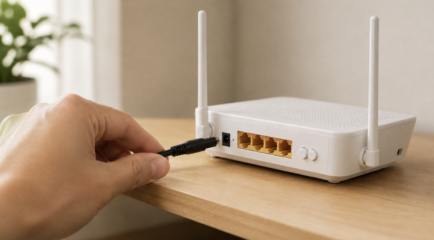
- Router
- Gateway
- Managed equipment
The provider handles:
- Optical equipment
- Updates
- Maintenance
- Monitoring
- Troubleshooting
This makes lit fiber far easier for most organizations.
For many businesses, it delivers the ideal balance of:
- Performance
- Simplicity
- Reliability
When Lit Fiber Is the Better Option
Lit fiber is often the best fit for:
- Small businesses
- Mid-size companies
- Branch offices
- Remote teams
- Businesses without dedicated IT staff
It’s especially attractive for organizations that want enterprise-grade speeds without managing infrastructure internally.
Lit fiber works well when you want:
- Reliable service
- Predictable monthly costs
- Scalable speed plans
- Provider-managed support
Dark Fiber vs. Lit Fiber: Key Differences
When comparing dark fiber vs lit fiber, the biggest differences come down to control, cost, and management.
Speed & Performance
Dark Fiber
You control the equipment and can scale bandwidth as needed.
Potential benefits:
- Custom network design
- Very high capacity
- Flexible upgrades
Performance depends on your own hardware.
Lit Fiber
The provider offers service tiers such as:
- 500 Mbps
- 1 Gig
- 10 Gig
This is usually more than enough for most businesses.
Security & Privacy
Dark Fiber
Dark fiber provides maximum control.
Because the physical strands are dedicated to your organization, it offers strong privacy and separation from other traffic.
This makes it appealing for:
- Finance
- Healthcare
- Government
- High-security industries
Lit Fiber
Lit fiber is also highly secure.
However, management occurs through provider-operated infrastructure.
For most businesses, this still provides excellent security.
Cost & Scalability
Dark Fiber
Dark fiber usually involves:
- Higher upfront setup costs
- Equipment purchases
- Technical staffing
- Longer-term contracts
Over time, it can become cost-effective for high-volume organizations.
Lit Fiber
Lit fiber typically offers:
- Lower upfront costs
- Predictable monthly billing
- Easier budgeting
- Quick deployment
For many businesses, this makes it more practical.
Management & Maintenance
Dark Fiber
Your business manages:
- Equipment
- Configuration
- Monitoring
- Upgrades
- Performance tuning
The provider usually maintains only the physical fiber line.
Lit Fiber
The provider manages:
- Active network electronics
- Troubleshooting
- Monitoring
- Support
- Repairs
This reduces internal workload significantly.
Which Fiber Option Is Right for Your Business?
Choosing between dark and lit fiber depends on your business goals.
Here’s a simple guide.
Choose Dark Fiber if:
- You have an internal IT/network team
- You need maximum privacy
- You move very large volumes of data
- You want total infrastructure control
- You need custom private networking
Choose Lit Fiber if:
- You want managed service
- You need reliable business internet
- You prefer predictable monthly costs
- You don’t want to manage fiber hardware
- You need simple scalability
For many small and mid-size businesses, lit fiber is the practical choice.
Why Choose All West for Business Fiber Solutions?
All West provides business fiber solutions designed for organizations across Utah and Wyoming.
Businesses choose All West because of:
- Local expertise
- Reliable regional infrastructure
- Responsive support
- Scalable connectivity options
- Dedicated business service teams
Whether you operate:
- a small office
- a healthcare clinic
- a multi-location company
- a growing regional business
All West can help design the right connectivity solution.
For most organizations, All West business offerings focus on managed, enterprise-grade lit fiber services.
Explore business services here:
Frequently Asked Questions
Is dark fiber faster than lit fiber?
Dark fiber can be faster because businesses control the equipment and bandwidth.
That said, lit fiber delivers excellent performance for most companies.
Is dark fiber more secure?
Yes.
Dark fiber provides dedicated physical infrastructure and maximum control over security.
Does my business need an IT team to manage dark fiber?
Typically, yes.
Dark fiber requires your organization to manage:
- Equipment
- Monitoring
- Maintenance
- Upgrades
Is lit fiber cheaper than dark fiber?
Usually.
Lit fiber often has lower upfront costs and predictable monthly pricing.
Does All West offer both dark and lit fiber?
All West primarily offers managed business fiber solutions, which align with lit fiber services for most customers. Availability can vary by location and business requirements.
Conclusion
When comparing dark vs lit fiber, there is no universal “best” option — only the option that best fits your business.
To summarize:
Dark Fiber
Best for:
- Large enterprises
- Custom infrastructure
- High-security environments
- Organizations with IT expertise
Lit Fiber
Best for:
- Small and mid-size businesses
- Managed connectivity
- Simple deployment
- Reliable day-to-day operations
If your organization needs dependable business connectivity without unnecessary complexity, managed lit fiber is often the smartest path.
To learn more, contact All West Business Services to find the right fiber solution for your organization.